
Tamil Nadu Politics, Media Decay and Public Intellect: The 2026 Election as a Lesson
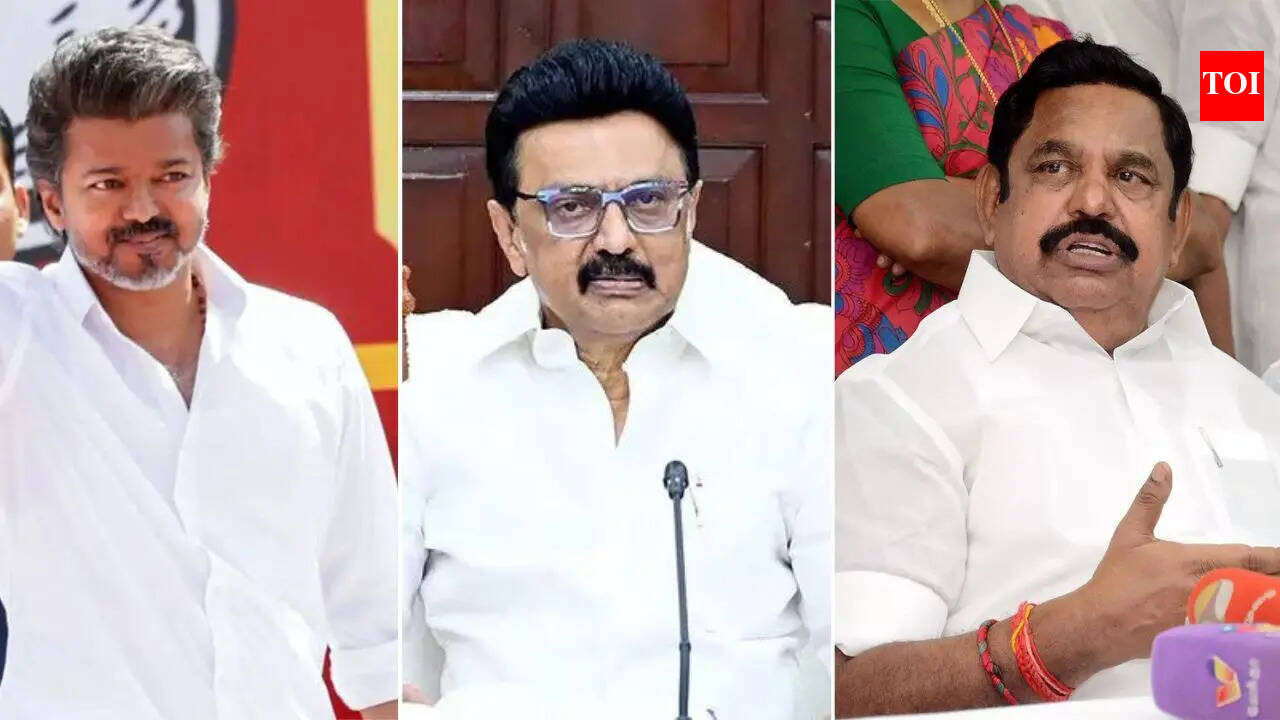
The 2026 Tamil Nadu Legislative Assembly Election has emerged as a historic turning point. The Tamilaga Vetri Kazhagam (TVK) secured 108 seats to become the single largest party, while DMK won 59 and AIADMK 47. For the first time in 59 years, Dravidian dominance was broken. A record 85.1% voter turnout was registered.
But what was the media's role? Did it serve as the voice of the people or degrade politics for revenue and sensationalism?
What is Media? What is its True Role?
Media is the Fourth Estate of democracy. It must report facts, encourage critical thinking, hold power accountable, and highlight public issues. Today, however, it has largely become commercial. TRP ratings, advertisements, and political ties dictate content. This is a serious ethical violation.
 Tamil News Channel Election Debate
Media Decay in the 2026 Election
Mainstream media amplified social media narratives, deepfakes, and reels. All sides participated in this "ugliness." Rather than investigating claims, many outlets simply amplified viral content without fact-checking. The boundary between news and entertainment blurred completely.
Sensationalism replaced substance. Sound bites replaced analysis. Controversy replaced context. Prime-time debates became shouting matches where nobody listened and everyone talked. The goal was not to inform viewers but to keep them hooked.
The Surge of Social Media
While it increased participation, echo chambers, viral falsehoods, and deepfakes often hindered rational thinking. Social media platforms became battlegrounds where misinformation spread faster than fact-checks could contain it.
 Social Media and Elections .
Deepfake videos of political leaders saying things they never said went viral. AI-generated images showed events that never happened. By the time fact-checkers debunked these claims, millions had already seen and shared them. The damage was done.
Political parties hired social media influencers and "IT wings" to manufacture trends, create memes, and spread propaganda. What appeared organic was often carefully orchestrated. What seemed like grassroots support was sometimes astroturfing.
Tamil Nadu Voters in 2026
The high turnout and regime change did not shatter the image of Tamil Nadu as a land of thoughtful voters — it reinforced it. The 85.1% turnout showed that people still care deeply about democracy. The verdict showed they were not afraid to vote for change.
However, a strong warning remains. If media continues to prioritize profit over truth, if social media continues to amplify division over dialogue, even Tamil Nadu's discerning electorate may eventually succumb to manipulation.
The 2026 election showed both the strength and vulnerability of Tamil Nadu's political culture. Voters rejected dynasties and demanded change. But they also consumed unprecedented amounts of misinformation. They showed critical thinking but also fell for emotional appeals.
Post-Poll Uncertainty
As of May 9, 2026, government formation remains uncertain with TVK short of majority. Behind-the-scenes negotiations continue. Media speculation runs wild, with every rumor treated as breaking news. The coalition-building process itself has become a reality show, with channels providing minute-by-minute updates on who met whom.
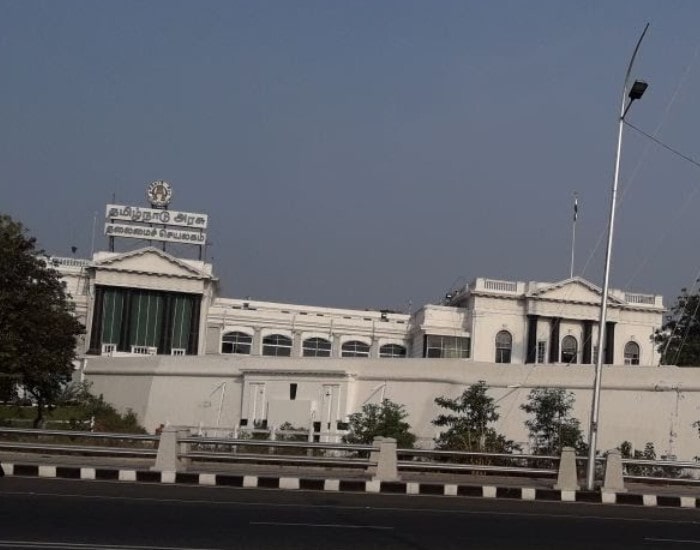 Tamil Nadu Secretariat, Fort St. George, Chennai — Search terms: "Tamil Nadu secretariat", "Fort St George Chennai", "TN government building". Government formation remains uncertain as coalition negotiations continue in May 2026.
The Way Forward
Media must reclaim ethics. Journalists must prioritize accuracy over speed, substance over sensationalism, truth over TRP. News organizations must build Chinese walls between editorial and business departments. They must resist political and commercial pressures.
Citizens must develop media literacy. People must learn to identify credible sources, spot deepfakes, recognize propaganda, and think critically about what they consume. Schools and colleges must teach these skills. Civil society must promote them.
Social media platforms must be held accountable. They cannot claim to be neutral platforms while their algorithms promote outrage and division. They must be transparent about content moderation. They must act swiftly against misinformation.
Political parties must rise above dirty tactics. Just because social media allows anonymous attacks and viral lies doesn't mean parties should use these weapons. Long-term trust is more valuable than short-term gains.
Tamil Nadu still remains the land of enlightened people. The state that gave birth to the Self-Respect Movement, that embraced rationalism when much of India remained mired in orthodoxy, that achieved near-universal literacy through political will — this state has not lost its way.
But the 2026 election is a warning. The forces of media decay and digital manipulation are strong. Vigilance is necessary. Critical thinking must be nurtured. Democratic values must be defended.


0 Comments