
சர்வதேச சமூகத்தின் இரட்டை அளவுகோல்: ஈரான் மீதான அச்சுறுத்தலில் எழும் கவலை – ஈழத் தமிழரின் இன அழிப்பில் ஏன் மௌனம்?
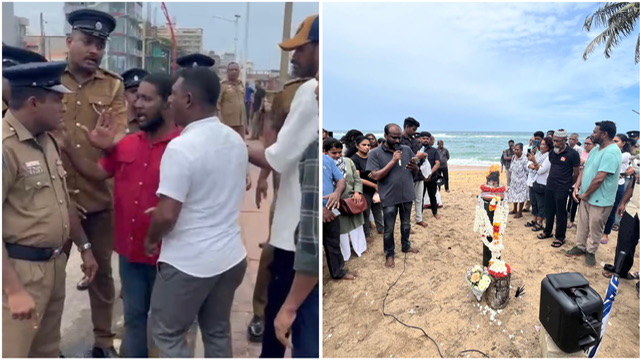
சர்வதேச அரசியலில் மனித உரிமை மீறல்கள் மற்றும் இன அழிப்பு (genocide) சம்பவங்கள் குறித்து உலக நாடுகளின் எதிர்வினை ஒரே மாதிரியாக இருப்பதில்லை. 2025-2026 காலகட்டத்தில் ஈரான் மீதான இராணுவ நடவடிக்கைகள் அல்லது அச்சுறுத்தல்கள் (குறிப்பாக இஸ்ரேல்-அமெரிக்கா தரப்பிலிருந்து) உலக அளவில் பெரும் கவலையையும் விவாதத்தையும் ஏற்படுத்தியுள்ளன. ஐக்கிய நாடுகள் சபை, மேற்கத்திய ஊடகங்கள், மனித உரிமை அமைப்புகள் என பலரும் இதை "பதட்டமான சூழல்" என்று குறிப்பிடுகின்றனர். ஆனால், 2009இல் இலங்கையில் ஈழத் தமிழருக்கு எதிராக நடந்த இறுதிக் கட்டப் போரின் போது (முள்ளிவாய்க்கால் இனப்படுகொலை) நிகழ்ந்த பெரும் உயிரிழப்புகள் – பல்லாயிரக்கணக்கான அப்பாவி தமிழ் மக்களின் கொலை, மருத்துவமனைகள் மீதான தாக்குதல், "பாதுகாப்பு வலயங்கள்" என்று அறிவிக்கப்பட்ட பகுதிகளில் குண்டுவீச்சு – ஆகியவை சர்வதேச சமூகத்தால் பெரும்பாலும் புறக்கணிக்கப்பட்டன. ஏன் இந்த இரட்டை அளவுகோல் (double standards)?
முதலாவதாக, புவிசார் அரசியல் நலன்கள் (geopolitical interests) முக்கிய காரணமாக உள்ளன. மத்திய கிழக்கு – குறிப்பாக ஈரான் – உலக எண்ணெய் விநியோகம், இஸ்ரேல் பாதுகாப்பு, அமெரிக்காவின் ஆதிக்கம் ஆகியவற்றுடன் நெருக்கமாக இணைந்துள்ளது. ஈரான் மீதான எந்த அச்சுறுத்தலும் உலகப் பொருளாதாரத்தையும் பாதுகாப்பையும் பாதிக்கும் என்பதால், மேற்கத்திய நாடுகள் உடனடியாக எதிர்வினையாற்றுகின்றன. ஆனால் இலங்கை? அது தெற்காசியாவின் ஒரு சிறிய தீவு நாடு; எண்ணெய் இல்லை, உலக வர்த்தகப் பாதைகளில் மையமான இடம் இல்லை. 2009இல் போர் நடந்தபோது, சீனா, ரஷ்யா, இந்தியா போன்ற நாடுகள் இலங்கை அரசுக்கு ஆதரவாக இருந்ததால், ஐ.நா. பாதுகாப்பு சபையில் எந்த தீர்மானமும் நிறைவேற்ற முடியவில்லை.
இரண்டாவதாக, பயங்கரவாதத்திற்கு எதிரான போர் என்ற சட்டகம். 9/11க்குப் பின்னர், LTTE ஐ பயங்கரவாத அமைப்பாக அறிவித்த பல நாடுகள், இலங்கை அரசின் இராணுவ நடவடிக்கையை "பயங்கரவாதத்திற்கு எதிரான போர்" என்று ஏற்றுக்கொண்டன. இதனால், அப்பாவி தமிழ் மக்களின் படுகொலை கூட "பக்க விளைவு" என்று கருதப்பட்டது. ஐ.நா.வே கூட 2008இல் போர் மண்டலத்திலிருந்து தனது ஊழியர்களை வெளியேற்றியது – பின்னர் அதை "முறையான தோல்வி" (systemic failure) என்று ஒப்புக்கொண்டது. ஆனால் ஈரான் விவகாரத்தில், அணு ஆயுத அச்சுறுத்தல், பிராந்திய ஸ்திரத்தன்மை போன்றவை முன்னிலைப்படுத்தப்படுவதால், உடனடி கவலை எழுகிறது.

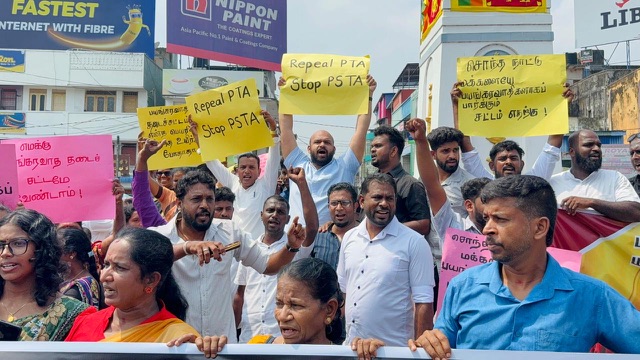
மூன்றாவதாக, ஊடக மற்றும் அரசியல் கவனம். மத்திய கிழக்கு சம்பவங்கள் உலக ஊடகங்களில் தொடர்ந்து வரும் செய்திகளாக இருக்கின்றன – அமெரிக்கா, ஐரோப்பா ஆகியவற்றின் நேரடி தொடர்பு காரணமாக. ஆனால் 2009இல் இலங்கைப் போரின் போது, ஊடகங்கள் அனுமதிக்கப்படவில்லை; "போர் இல்லாத சாட்சிகள்" (war without witnesses) என்ற நிலை உருவானது. தமிழ் புலம்பெயர் சமூகத்தின் போராட்டங்கள் உலக அளவில் கவனம் பெற்றாலும், அவை "LTTE ஆதரவு" என்று குறைக்கப்பட்டன.
இறுதியாக, இந்த இரட்டை அளவுகோல் சர்வதேச சட்டத்தின் நம்பகத்தன்மையை கேள்விக்குள்ளாக்குகிறது. ருவாண்டா, போஸ்னியா போன்றவற்றில் genocide என்று அறிவிக்கப்பட்டது; ஆனால் ஈழத் தமிழர் விவகாரத்தில் – ஐ.நா. அறிக்கைகள் 40,000 முதல் 70,000 வரை அப்பாவிகள் கொல்லப்பட்டதாகக் கூறினாலும் – "genocide" என்ற சொல் தவிர்க்கப்படுகிறது. இது அரசியல் காரணங்களால்தான். சர்வதேச சமூகம் ஒரு முன்னுதாரணத்தை (precedent) உருவாக்கியுள்ளது: சில இன அழிப்புகள் கண்டிக்கப்படும், சில மறக்கப்படும் – நலன்களைப் பொறுத்து.
பின்னிணைப்பு: முள்ளிவாய்க்கால் படுகொலையின் கணக்குகள் – புள்ளிவிபரங்கள், ஆதாரங்கள் மற்றும் ஈரான் யுத்த அச்சுறுத்தலுடன் ஒப்பீடு
இந்த பின்னிணைப்பு, முதன்மைக் கட்டுரையின் ஆய்வை வலுப்படுத்தும் வகையில், 2009இல் இலங்கையின் முள்ளிவாய்க்கால் பகுதியில் நடந்த படுகொலையின் (இன அழிப்பின் இறுதிக் கட்டம்) கணக்குகளை வழங்குகிறது. இங்கு புள்ளிவிபரங்கள், ஆதாரங்கள் மற்றும் சர்வதேச சமூகத்தின் பதிலை ஈரான் மீதான 2025-2026 யுத்த அச்சுறுத்தலுடன் (இஸ்ரேல்-அமெரிக்கா தாக்குதல்கள்) ஒப்பிடப்பட்டுள்ளது. இது ஆய்வின் இரட்டை அளவுகோலை (double standards) மேலும் தெளிவுபடுத்துகிறது.
1. முள்ளிவாய்க்கால் படுகொலையின் முக்கிய கணக்குகள் (2009 ஜனவரி – மே)
ஐ.நா. பேனல் ஆஃப் எக்ஸ்பர்ட்ஸ் அறிக்கை (Darusman Report, 2011): இறுதிக் கட்டத்தில் (ஜனவரி-மே 2009) 40,000 அப்பாவி தமிழ் பொதுமக்கள் கொல்லப்பட்டதாக மதிப்பீடு. பெரும்பாலான கொலைகள் இலங்கை இராணுவத்தின் குண்டுவீச்சால் (indiscriminate shelling) நிகழ்ந்தன. மருத்துவமனைகள், உணவு விநியோக இடங்கள், "No Fire Zones" (NFZs) மீது தாக்குதல்.
ஆதாரம்: United Nations, Report of the Secretary-General's Panel of Experts on Accountability in Sri Lanka (2011).
ஐ.நா. உள் மதிப்பீட்டு அறிக்கை (Petrie Report, 2012): 70,000 வரை பொதுமக்கள் கொல்லப்பட்டதாக திருத்திய மதிப்பீடு.
ஆதாரம்: UN Secretary-General's Internal Review Panel on United Nations Action in Sri Lanka (2012).

சுயாதீன மதிப்பீடுகள்:
International Truth and Justice Project (ITJP, 2021): 169,796 தமிழ் பொதுமக்கள் கொல்லப்பட்டதாகவோ அல்லது காணாமல் போனதாகவோ மதிப்பீடு (இலங்கை அரசு கணக்கெடுப்பு, World Bank தரவு அடிப்படையில்).
Amnesty International, Human Rights Watch, PEARL (2024): 40,000–70,000 இடையே கொலைகள்; சில ஆய்வுகள் 140,000+ வரை குறிப்பிடுகின்றன.
மக்கள் தொகை மறைப்பு: போர் மண்டலத்தில் 330,000 மக்கள் இருந்ததாக ஐ.நா. மதிப்பீடு; ஆனால் இலங்கை அரசு 70,000–100,000 என்று குறைத்துக் காட்டியது → இது கொலைகளை மறைக்க உதவியது.
மற்ற விவரங்கள்: மருத்துவமனைகள் மீது தாக்குதல், உணவு/மருந்து மறுப்பு, சரணடைந்தோர் கொலை, பாலியல் வன்முறை ஆகியவை ஆவணப்படுத்தப்பட்டவை.
2. ஈரான் மீதான யுத்த அச்சுறுத்தல் / தாக்குதல்கள் (2025-2026 காலகட்டம்)
இஸ்ரேல்-அமெரிக்கா தாக்குதல்கள்: "Twelve-Day War" (2025) மற்றும் 2026 தொடர் தாக்குதல்களில் (உதாரணம்: Khamenei கொலை, பள்ளி தாக்குதல்).
HRANA (Human Rights Activists in Iran, 2025-2026): இஸ்ரேல் தாக்குதல்களால் 1,190 கொலைகள் (436 பொதுமக்கள், 435 இராணுவம், மீதி அடையாளம் தெரியாதவை); 4,000+ காயங்கள்.
சில தாக்குதல்களில் (உதா. பெண்கள் பள்ளி): 50–100+ குழந்தைகள்/பொதுமக்கள் கொலை.
இஸ்ரேல் பக்கம்: 28–32 கொலைகள் (பெரும்பாலும் பொதுமக்கள்), 3,000+ காயங்கள்.
உலக கவனம்: ஐ.நா., மேற்கத்திய ஊடகங்கள், மனித உரிமை அமைப்புகள் உடனடி கண்டனம், விவாதங்கள், தொடர் செய்திகள். "பதட்டமான சூழல்", "பொதுமக்கள் பாதிப்பு" என்று உடனடி எச்சரிக்கை.
3. ஒப்பீட்டு அட்டவணை: இரட்டை அளவுகோல்
| அம்சம் | முள்ளிவாய்க்கால் (2009) | ஈரான் யுத்தம் (2025-2026) | ஒப்பீடு / இரட்டை அளவுகோல் காரணம் |
|---|---|---|---|
| பொதுமக்கள் கொலைகள் மதிப்பீடு | 40,000 – 70,000 (UN); 169,796 வரை (ITJP) | 436 – 1,190 (HRANA); சில நிகழ்வுகளில் 50–100+ | ஆயிரக்கணக்கான vs நூற்றுக்கணக்கான – ஆனால் ஈரான் உடனடி கவனம் |
| முக்கிய தாக்குதல் முறை | NFZs-இல் குண்டுவீச்சு, மருத்துவமனை தாக்குதல், உதவி மறுப்பு | துல்லிய தாக்குதல்கள் (precision strikes), ஆனால் பள்ளி/பொதுமக்கள் பாதிப்பு | இரண்டிலும் பொதுமக்கள் இலக்கு – ஆனால் ஈரானில் "தவறு" என்று விசாரணை |
| சர்வதேச எதிர்வினை | ஊடக தடை ("war without witnesses"); UN ஊழியர்கள் வெளியேற்றம்; தீர்மானங்கள் தோல்வி | உடனடி ஐ.நா. கூட்டங்கள், ஊடக கவனம், கண்டனங்கள் | புவிசார் நலன்கள் (எண்ணெய், இஸ்ரேல் பாதுகாப்பு) vs இலங்கை (குறைந்த முக்கியத்துவம்) |
| Genocide அங்கீகாரம் | "Genocide" என்ற சொல் தவிர்க்கப்படுகிறது; war crimes மட்டும் | உடனடி "genocide" விவாதங்கள் (சில சூழல்களில்) | அரசியல் நலன்களால் தீர்மானிக்கப்படும் "மௌனம்" vs "கவலை" |

முடிவாக, முள்ளிவாய்க்கால் படுகொலையின் அளவும் கொடூரமும் ஈரான் தாக்குதல்களை விட பெரிதாக இருந்தாலும், சர்வதேச சமூகத்தின் எதிர்வினை மிகவும் வேறுபடுகிறது. இது புவிசார் அரசியல், ஊடக அணுகல், நலன்கள் ஆகியவற்றால் தீர்மானிக்கப்படுவதை உறுதிப்படுத்துகிறது. மேலும் விரிவான ஆய்வுக்கு, ஐ.நா. அறிக்கைகளைப் பார்க்கவும்.
ஆய்வின் நிறைவுப் பகுதி: முள்ளிவாய்க்கால் படுகொலையின் உயிரிழப்புகள் மற்றும் சட்டப்பூர்வ பகுப்பாய்வு (Darusman Report அடிப்படையில்)
Darusman Report (ஐ.நா. செயலர்-ஜெனரலின் நிபுணர்கள் குழு அறிக்கை, மார்ச் 31, 2011) இலங்கை இறுதிக் கட்டப் போரின் (செப்டம்பர் 2008 – மே 2009) போது நடந்த மனித உரிமை மீறல்களை விசாரிக்கிறது. இது "போர் இல்லாத சாட்சிகள்" (war without witnesses) சூழலில், சாட்சியங்கள், செயற்கைக்கோள் படங்கள், மருத்துவ அறிக்கைகள் ஆகியவற்றை அடிப்படையாகக் கொண்டு "நம்பகமான குற்றச்சாட்டுகள்" (credible allegations) உள்ளன என்று கூறுகிறது. அறிக்கை போர்க்குற்றங்கள் (war crimes), மனிதகுலத்திற்கு எதிரான குற்றங்கள் (crimes against humanity) ஆகியவற்றை உறுதிப்படுத்துகிறது, ஆனால் இன அழிப்பு (genocide) என்று நேரடியாக அழைக்கவில்லை (ஆனால் இன வேறுபாட்டு தாக்குதல் அம்சங்கள் உள்ளன என்று குறிப்பிடுகிறது). இங்கு civilian deaths மற்றும் legal analysis பற்றிய விரிவு.
1. அப்பாவி பொதுமக்கள் உயிரிழப்புகள் (Civilian Deaths): மதிப்பீடுகள், முறைகள் மற்றும் முக்கிய கண்டுபிடிப்புகள்
அறிக்கை துல்லியமான மொத்த எண்ணிக்கையைத் தரவில்லை (போர் மண்டலத்தில் வெளிப்படைத்தன்மை இல்லாததால்), ஆனால் "பல்லாயிரக்கணக்கானோர்" (tens of thousands) கொல்லப்பட்டதாகக் கூறுகிறது. பெரும்பாலான உயிரிழப்புகள் இலங்கை அரசின் குண்டுவீச்சு (shelling) காரணமாக – குறிப்பாக "போர் இல்லாத வலயங்கள்" (No-Fire Zones - NFZs) மற்றும் மருத்துவமனைகளில். உணவு/மருந்து மறுப்பு, பசியால் இறப்புகள் ஆகியவை உயிரிழப்புகளை அதிகரித்தன.
| வகை | மதிப்பீடு / விவரம் | ஆதாரம் / பக்கம் |
|---|---|---|
| சிக்கிக்கொண்ட பொதுமக்கள் (இரண்டாவது NFZ, முள்ளிவாய்க்கால் உட்பட) | 300,000–330,000 | ஐ.நா. ஆவணங்கள் (300,000); அரசு ஏஜெண்ட் (330,000); பக். ii, பாரா. 100, 125 |
| போருக்குப் பின் வெளியேறி சிறைப்படுத்தப்பட்டோர் (எ.கா., மெனிக் ஃபார்ம் முகாம்கள்) | ~290,000 | போருக்குப் பின் முகாம்கள்; பக். 1 |
| ஐ.நா. உயிரிழப்பு மதிப்பீடு (ஆகஸ்ட் 2008–மே 13, 2009) | 7,721 கொல்லப்பட்டோர்; 18,479 காயமடைந்தோர் (மே 13க்குப் பின் குறைவான கணக்கு) | ஐ.நா. கன்ட்ரி டீம்; பாரா. 134 |
| மொத்த உயிரிழப்பு மதிப்பீடுகள் | 40,000 வரை (மருத்துவமனை தரவு: 40,000 அறுவை சிகிச்சைகள், 5,000 உறுப்பு அகற்றல்கள்; காயம்-இறப்பு விகிதம் 1:2–1:3); 75,000 (வெளியேறியோர் - சிக்கிக்கொண்டோர்); பல்லாயிரக்கணக்கானோர் போர் மண்டலத்தில் | மருத்துவமனை பதிவுகள்; இறந்த உறவினர் கணக்கெடுப்புகள்; பாரா. 133, 137, 195 |
| குறிப்பிட்ட சம்பவங்கள் | முதல் NFZ குண்டுவீச்சில் நூற்றுக்கணக்கானோர் (ஜன. 24–25, 2009); புடுமத்தலன் மருத்துவமனையில் ≥16 நோயாளிகள் (பிப். 9); அம்பலவான்போக்கனையில் ~140 (மார். 25); இறுதி நாட்களில் நூற்றுக்கணக்கானோர் (மே 13–18) | பாரா. 87, 104, 105, 118 |
| உயர் ஆணையர் மதிப்பீடு | 2,800 கொல்லப்பட்டோர்; >7,000 காயமடைந்தோர் (ஜன. 20 முதல், NFZs இல் பலர்) | பாரா. 136 |
| மொத்த தாக்கம் | பல்லாயிரக்கணக்கானோர் இழப்பு (பெரும்பாலும் தமிழர்கள்); வன்னியில் பல்லாயிரக்கணக்கானோர் கொல்லப்பட்டோர் | பக். ii; பாரா. 195; பிரிவுகள் 421–422 |
மதிப்பீட்டு முறைகள் (Methodologies): முதன்மை ஆதாரங்கள் (செயற்கைக்கோள் படங்கள் - UNOSAT Quickbird/Worldview; புகைப்படங்கள்/வீடியோக்கள்; NGO/ஊடக அறிக்கைகள்; >4,000 சமர்ப்பிப்புகள்) அடிப்படையில் "நம்பகமான" மதிப்பீடுகள் (பக். 14–15). மருத்துவமனை தரவு: RDHS, மாவட்ட பேரழிவு மேலாண்மை, தற்காலிக மருத்துவமனைகள் (அறுவை சிகிச்சைகள், உறுப்பு அகற்றல்கள்); பாரா. 133. ஐ.நா. கிரைசிஸ் ஆபரேஷன் குழு: RDHS இலிருந்து பழமைவாத அடிப்படை; UN/NGO/ICRC/மத அறிக்கைகளுடன் ஒப்பீடு; ≥3 ஆதாரங்கள் தேவை; சரிபார்க்கப்படாதவை (எ.கா., தமிழ்நெட்) நிராகரிப்பு; பாரா. 134. அரசு ஏஜெண்ட் தொகுப்புகள் (IDP உணவு பங்கீடு; 2008இல் ~420,000); பாரா. 125. சவால்கள்: சிக்கிக்கொண்டோர் எண்ணிக்கையில் நிச்சயமின்மை; பதிவில்லாத அடக்கங்கள்; பொதுமக்கள்/போராளிகள் வேறுபாடு; பாரா. 132.
முக்கிய கண்டுபிடிப்புகள் (Key Findings): பெரும்பாலான உயிரிழப்புகள் அரசு குண்டுவீச்சால் (NFZs, மருத்துவமனைகள், உதவி பகுதிகள் – UAVகள் மூலம் இடங்கள் தெரிந்திருந்தும்); பாரா. 176a. குண்டுவீச்சு அதிகரிப்பு: முதல் NFZ (ஜன. 2009: நூற்றுக்கணக்கானோர், வல்லிபுனம்/உதயார்கடு மருத்துவமனைகள்); இரண்டாவது (பிப். முதல்: PTK/புடுமத்தலன்/முள்ளிவாய்க்கால்); மூன்றாவது (மே: 3 சதுர கிமீ, 100,000 சிக்கி); பாரா. 81–87, 90–105, 109–111, 115. இறுதி நாட்கள் (மே 13–18): அதிக உயிரிழப்புகள், பதிவில்லை; பாரா. 118. LTTE பங்களிப்பு: தப்பிக்கும் மக்களை தடுத்தல், துப்பாக்கிச் சூடு; பாரா. 177(a)–(b). இன வேறுபாட்டு அம்சங்கள்: தமிழர்களை இலக்காகக் கொண்ட தாக்குதல்கள்; விசாரணை தேவை; பாரா. 132, 137.
2. சட்டப்பூர்வ பகுப்பாய்வு (Legal Analysis): குற்றச்சாட்டுகள், பரிந்துரைகள் மற்றும் சர்வதேச சட்டங்கள்
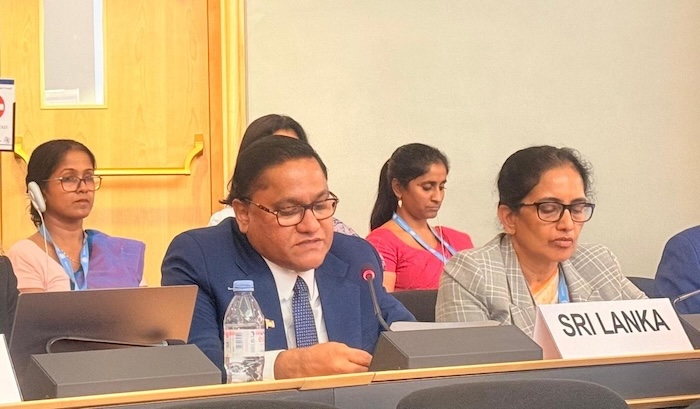
அறிக்கையின் அத்தியாயம் IV (பக். 52–71; பாரா. 178–260, 176–177) சர்வதேச மனிதாபிமான சட்டம் (IHL), மனித உரிமை சட்டம் (IHRL) அடிப்படையில் பகுப்பாய்வு செய்கிறது. போர் பயங்கரவாதத்திற்கு எதிரானது என்றாலும் விதிவிலக்கு இல்லை (பக். 54). LTTEயும் அடிப்படை உரிமைகளால் கட்டுப்படுத்தப்பட்டது (பாரா. 188).
| வகை | அரசு மீறல்கள் | LTTE மீறல்கள் | குறிப்புகள் / பாரா. |
|---|---|---|---|
| போர்க்குற்றங்கள் (War Crimes) | பொதுமக்கள் மீது குண்டுவீச்சு (IHL ஸ்டாட். 85, GC IV ஸ்டாட். 147); மருத்துவமனைகள் தாக்குதல் (Add. Prot. I ஸ்டாட். 8(2)(b)(ix)); உதவி மறுப்பு (ஸ்டாட். 54, 70); விகிதாசாரமற்ற தாக்குதல்கள் (MBRLs NFZs இல்); மருத்துவ பாதுகாப்பு மீறல் (விதிகள் 25–32); காணாமல் போதல்; கட்டாய உழைப்பு; குழந்தை ஆட்சேர்ப்பு | மனித தடுப்புகள் (ஸ்டாட். 51(7)); தப்பிக்கும் மக்களை சுட்டுக்கொல்லல்; கட்டாய உழைப்பு; தற்கொலை தாக்குதல்கள்; போராளிகள் அருகே பொதுமக்கள் | பாரா. 55–64, 65–66, 247–248, 193–208, 211, 237–242; பக். 23–35, 55–64; பொது ஸ்டாட். 3; விதிகள் 1, 7, 11–14, 15–20, 25–32, 53–55, 95, 136, 98 |
| மனிதகுலத்திற்கு எதிரான குற்றங்கள் (Crimes Against Humanity) | வன்னி பொதுமக்கள் மீது திட்டமிட்ட தாக்குதல்: கொலை (குண்டுவீச்சு); அழிப்பு (NFZ மறுப்பு); சிறைவைப்பு (மெனிக் ஃபார்ம் 290,000+); இன வேறுபாடு (ஆன்டி-தமிழ்); காணாமல் போதல்; பாலியல் வன்முறை, அவமானங்கள் | கொலை (தப்பிக்கும் மக்களை சுட்டல், தற்கொலை தாக்குதல்கள்) | பாரா. 176a–e, 250–252, 140–163, 164–167, 144–153; ரோம் ஸ்டாட்யூட் ஸ்டாட். 7(1)(h); பாரா. 176a–c |
| இன அழிப்பு அம்சங்கள் (Genocide Aspects) | இன வேறுபாட்டு தாக்குதல்கள் (தமிழர்களை இலக்கு); ரோம் ஸ்டாட்யூட் ஸ்டாட். 6 இன் நோக்கம் இல்லை என்றாலும் விரிவான விசாரணை தேவை | இல்லை | பாரா. 55–64, 176, 177; பக். 55–64 |
பொறுப்புக்கூறல் பரிந்துரைகள் (Accountability Recommendations): விசாரணை/வழக்கு தொடரல் கடமை (உள்நாட்டு/சர்வதேசம்); உண்மை, நீதி, இழப்பீடு (பக். 52, 73; பாரா. 52, 262–268). LLRC (இலங்கை ஆணையம்) தோல்வி: சுதந்திரமின்மை; பெரும் மீறல்களை புறக்கணித்தல் (பக். 80–109; பாரா. 278–284, 297–304). சர்வதேச சுயாதீன விசாரணை: கண்காணிப்பு, விசாரணை (பக். 120–123; பரிந்துரை 1.B). உடனடி: வன்முறை நிறுத்தம், காணாமல் போனோர் விவரம், அவசர சட்டங்கள் ரத்து, இழப்பீடு (பாரா. 168–171). நீண்டகாலம்: சமூக செயல்முறை, பொது ஒப்புக்கொள்ளல், நீதி சீர்திருத்தம் (பாரா. 122–123, 269–277).
சர்வதேச சட்ட குறிப்புகள்: ஜெனீவா உடன்படிக்கைகள் (1949, பொது ஸ்டாட். 3); கூடுதல் புரோடோகால்கள் I/II (1977); ரோம் ஸ்டாட்யூட் (1998); ஐ.நா. தீர்மானங்கள் (1325/2000, 1612/2005); ICCPR, ICESCR, CAT போன்றவை (பிரிவுகள் 181–188, 191–198).
ஈரான் யுத்த அச்சுறுத்தலுடன் ஒப்பீடு மற்றும் ஆய்வு முடிவு
ஈரான் விவகாரத்தில் (2025-2026) சர்வதேசம் உடனடி விசாரணை/கண்டனம் செய்தது (உதா., HRANA அறிக்கைகள்: 436–1,190 உயிரிழப்புகள்), ஆனால் ஈழத்தில் 40,000+ உயிரிழப்புகளுக்கு 15 ஆண்டுகளுக்குப் பின் கூட முழு நீதி இல்லை. இது புவிசார் நலன்களால் தீர்மானிக்கப்படும் இரட்டை அளவுகோலை உறுதிப்படுத்துகிறது. சர்வதேச சமூகம் உண்மையான மனித உரிமை பாதுகாப்பை உறுதி செய்ய வேண்டும் – இன அழிப்புகளை நலன்களால் புறக்கணிக்கக் கூடாது.
முடிவுரை
International Community's Double Standards: Alarm Over Threats to Iran – Why Silence on the Genocide of Eelam Tamils?
In international politics, responses to human rights violations and genocides are not uniform. During 2025-2026, military actions or threats against Iran (particularly from Israel and the U.S.) have sparked global concern and debate. The United Nations, Western media, and human rights organizations label it a "tense situation." However, the massive loss of life during the final phase of Sri Lanka's war in 2009 (Mullivaikkal genocide)—thousands of innocent Tamil civilians killed, hospitals bombed, shelling in declared "safe zones"—was largely ignored by the international community. Why this double standard?
First, geopolitical interests play a key role. The Middle East, especially Iran, is tied to global oil supplies, Israel's security, and U.S. dominance. Any threat to Iran affects the world economy and security, prompting immediate reactions from Western nations. But Sri Lanka? It's a small island in South Asia with no oil or central trade routes. In 2009, China, Russia, and India supported the Sri Lankan government, blocking UN Security Council resolutions.
Second, the framing as a war on terrorism. Post-9/11, many countries designated the LTTE as a terrorist organization, accepting Sri Lanka's military operations as "counter-terrorism." Innocent Tamil deaths were seen as "collateral damage." Even the UN withdrew its staff from the war zone in 2008, later admitting a "systemic failure." In contrast, Iran's issues—nuclear threats, regional stability—trigger immediate concern.
Third, media and political attention. Middle East events get continuous global media coverage due to direct U.S. and European ties. In 2009 Sri Lanka, media was barred—"war without witnesses." Tamil diaspora protests gained some notice but were dismissed as "LTTE support."
Finally, this double standard questions the credibility of international law. Rwanda and Bosnia were declared genocides; yet for Eelam Tamils—UN reports estimate 40,000 to 70,000 civilian deaths—"genocide" is avoided for political reasons. The international community has set a precedent: some genocides are condemned, others forgotten—based on interests.
Appendix: Accounts of the Mullivaikkal Massacre – Statistics, Sources, and Comparison with Iran War Threats
This appendix expands the main article's analysis by providing accounts of the 2009 Mullivaikkal massacre in Sri Lanka (final phase of genocide). Here, statistics, sources, and the international response are compared with threats to Iran in 2025-2026 (Israel-U.S. attacks). This highlights the double standards.
1. Key Accounts of the Mullivaikkal Massacre (January–May 2009)
UN Panel of Experts Report (Darusman Report, 2011): Estimates 40,000 innocent Tamil civilians killed in the final phase (January-May 2009). Most deaths from Sri Lankan military's indiscriminate shelling. Attacks on hospitals, food distribution sites, "No Fire Zones" (NFZs).
Source: United Nations, Report of the Secretary-General's Panel of Experts on Accountability in Sri Lanka (2011).
UN Internal Review Report (Petrie Report, 2012): Revised estimate up to 70,000 civilians killed.
Source: UN Secretary-General's Internal Review Panel on United Nations Action in Sri Lanka (2012).
Independent Estimates: International Truth and Justice Project (ITJP, 2021): 169,796 Tamil civilians killed or missing (based on Sri Lankan census, World Bank data). Amnesty International, Human Rights Watch, PEARL (2024): 40,000–70,000 killings; some studies cite 140,000+.
Population Cover-Up: UN estimated 330,000 people in the war zone; Sri Lankan government understated it as 70,000–100,000 → helped conceal killings.
Other Details: Hospital attacks, denial of food/medicine, executions of surrenderees, sexual violence documented.
2. Iran War Threats/Attacks (2025-2026 Period)
Israel-U.S. Attacks: "Twelve-Day War" (2025) and 2026 escalations (e.g., Khamenei assassination, school strike). HRANA (Human Rights Activists in Iran, 2025-2026): 1,190 deaths from Israeli strikes (436 civilians, 435 military, rest unidentified); 4,000+ injuries. In some attacks (e.g., women's school): 50–100+ children/civilians killed. Israeli side: 28–32 deaths (mostly civilians), 3,000+ injuries.
Global Attention: UN, Western media, human rights groups issued immediate condemnations, debates, ongoing news. "Tense situation," "civilian impact" with prompt warnings.
3. Comparative Table: Double Standards
| Aspect | Mullivaikkal (2009) | Iran War (2025-2026) | Comparison / Reason for Double Standard |
|---|---|---|---|
| Civilian Death Estimates | 40,000–70,000 (UN); up to 169,796 (ITJP) | 436–1,190 (HRANA); 50–100+ in some incidents | Thousands vs hundreds – yet Iran gets immediate attention |
| Key Attack Methods | Shelling in NFZs, hospital strikes, aid denial | Precision strikes, but school/civilian hits | Both target civilians – but Iran prompts "error" investigations |
| International Response | Media ban ("war without witnesses"); UN staff withdrawal; failed resolutions | Immediate UN meetings, media focus, condemnations | Geopolitical interests (oil, Israel security) vs Sri Lanka (low priority) |
| Genocide Recognition | "Genocide" avoided; only war crimes | Immediate "genocide" discussions (in some contexts) | Politically determined "silence" vs "concern" |
In conclusion, despite the scale and brutality of Mullivaikkal exceeding Iran attacks, international responses differ vastly. This is determined by geopolitics, media access, and interests. For further research, consult UN reports.
Closing Section: Civilian Deaths and Legal Analysis in the Mullivaikkal Massacre (Based on Darusman Report)
The Darusman Report (UN Secretary-General's Panel of Experts, March 31, 2011) investigates human rights violations during Sri Lanka's final war phase (September 2008–May 2009). In a "war without witnesses" context, it relies on testimonies, satellite images, medical reports to find "credible allegations." It affirms war crimes and crimes against humanity but does not directly call it genocide (though notes ethnic targeting elements). Detailed on civilian deaths and legal analysis below.
1. Civilian Deaths: Estimates, Methods, and Key Findings
The report avoids exact totals (due to lack of transparency in the war zone) but states "tens of thousands" killed. Most from government shelling—especially in "No-Fire Zones" (NFZs) and hospitals. Denial of food/medicine and starvation increased deaths.
| Category | Estimate / Detail | Source / Page |
|---|---|---|
| Trapped Civilians (Second NFZ, incl. Mullivaikkal) | 300,000–330,000 | UN docs (300,000); Gov agent (330,000); p. ii, para. 100, 125 |
| Post-War Detained in Camps (e.g., Menik Farm) | ~290,000 | Post-war camps; p. 1 |
| UN Death Estimate (Aug 2008–May 13, 2009) | 7,721 killed; 18,479 injured (underreported after May 13) | UN Country Team; para. 134 |
| Total Death Estimates | Up to 40,000 (hospital data: 40,000 surgeries, 5,000 amputations; injury-death ratio 1:2–1:3); 75,000 (exited - trapped); tens of thousands in war zone | Hospital records; deceased relative surveys; para. 133, 137, 195 |
| Specific Incidents | Hundreds in first NFZ shelling (Jan 24–25, 2009); ≥16 patients in Puthumathalan hospital (Feb 9); ~140 in Ambalavanpokkanai (Mar 25); hundreds in final days (May 13–18) | Para. 87, 104, 105, 118 |
| High Commissioner Estimate | 2,800 killed; >7,000 injured (from Jan 20, many in NFZs) | Para. 136 |
| Overall Impact | Tens of thousands lost (mostly Tamils); thousands killed in Vanni | p. ii; para. 195; sections 421–422 |
Estimation Methods: Primary sources (satellite images - UNOSAT Quickbird/Worldview; photos/videos; NGO/media reports; >4,000 submissions) for "credible" estimates (p. 14–15). Hospital data: RDHS, district disaster management, makeshift hospitals (surgeries, amputations); para. 133. UN Crisis Operations Group: Conservative base from RDHS; compared with UN/NGO/ICRC/religious reports; ≥3 sources required; unverified (e.g., TamilNet) discarded; para. 134. Gov agent compilations (IDP food distribution; ~420,000 in 2008); para. 125. Challenges: Uncertainty in trapped numbers; unregistered burials; civilian-combatant distinction; para. 132.
Key Findings: Most deaths from government shelling (NFZs, hospitals, aid areas – despite known locations via UAVs); para. 176a. Shelling escalation: First NFZ (Jan 2009: hundreds, Vallipunam/Udayarkaddu hospitals); second (Feb onward: PTK/Puthumathalan/Mullivaikkal); third (May: 3 sq km, 100,000 trapped); para. 81–87, 90–105, 109–111, 115. Final days (May 13–18): High unreported deaths; para. 118. LTTE contribution: Preventing civilians from fleeing, shooting escapees; para. 177(a)–(b). Ethnic targeting elements: Attacks aimed at Tamils; requires investigation; para. 132, 137.
2. Legal Analysis: Allegations, Recommendations, and International Laws
Chapter IV of the report (p. 52–71; para. 178–260, 176–177) analyzes based on International Humanitarian Law (IHL) and International Human Rights Law (IHRL). No exceptions even for anti-terrorism wars (p. 54). LTTE bound by basic rights (para. 188).
| Category | Government Violations | LTTE Violations | Notes / Para. |
|---|---|---|---|
| War Crimes | Civilian shelling (IHL Art. 85, GC IV Art. 147); hospital attacks (Add. Prot. I Art. 8(2)(b)(ix)); aid denial (Art. 54, 70); disproportionate attacks (MBRLs in NFZs); medical protection breach (Rules 25–32); enforced disappearances; forced labor; child recruitment | Human shields (Art. 51(7)); shooting fleeing civilians; forced labor; suicide attacks; civilians near combatants | Para. 55–64, 65–66, 247–248, 193–208, 211, 237–242; p. 23–35, 55–64; Common Art. 3; Rules 1, 7, 11–14, 15–20, 25–32, 53–55, 95, 136, 98 |
| Crimes Against Humanity | Systematic attacks on Vanni civilians: murder (shelling); extermination (NFZ denial); imprisonment (Menik Farm 290,000+); ethnic persecution (anti-Tamil); disappearances; sexual violence, humiliation | Murder (shooting escapees, suicide attacks) | Para. 176a–e, 250–252, 140–163, 164–167, 144–153; Rome Statute Art. 7(1)(h); para. 176a–c |
| Genocide Aspects | Ethnic targeting (Tamils); Rome Statute Art. 6 intent not confirmed but needs deeper probe | N/A | Para. 55–64, 176, 177; p. 55–64 |
Accountability Recommendations: Duty to investigate/prosecute (domestic/international); truth, justice, reparations (p. 52, 73; para. 52, 262–268). LLRC (Sri Lanka commission) failure: Lack of independence; ignored major violations (p. 80–109; para. 278–284, 297–304). International independent inquiry: Monitoring, investigation (p. 120–123; recommendation 1.B). Immediate: Cease violence, missing persons details, repeal emergency laws, reparations (para. 168–171). Long-term: Societal process, public acknowledgment, justice reform (para. 122–123, 269–277).
International Law References: Geneva Conventions (1949, Common Art. 3); Additional Protocols I/II (1977); Rome Statute (1998); UN Resolutions (1325/2000, 1612/2005); ICCPR, ICESCR, CAT etc. (sections 181–188, 191–198).
Comparison with Iran War Threats and Study Conclusion
In Iran (2025-2026), international bodies promptly investigated/condemned (e.g., HRANA reports: 436–1,190 deaths), but for Eelam, full justice remains absent even after 15 years for 40,000+ deaths. This confirms double standards driven by geopolitics. The international community must ensure genuine human rights protection—genocides cannot be ignored based on interests.


0 Comments