
Don't Waste Time and Space on Futile Constitutional Drafts: Tamil Politicians Urged to Secure Pre-Constitutional Social Contract

In a historic declaration, Tamil political, religious and civil society leaders have called on Tamil politicians not to waste further time and space on domestic constitutional drafting exercises, and instead to secure a pre-constitutional social contract under international mediation as the only viable pathway to a just and durable political resolution.
The call was made at the launch of the 2026 Trincomalee Declaration and its Core Principles on the Exhaustion of Internal Remedies and the External Resolution of the National Question of the Eelam Tamils, convened by Dr R Shrignaneswaran at J7 Villaj Resort in Trincomalee on 14 February 2026.
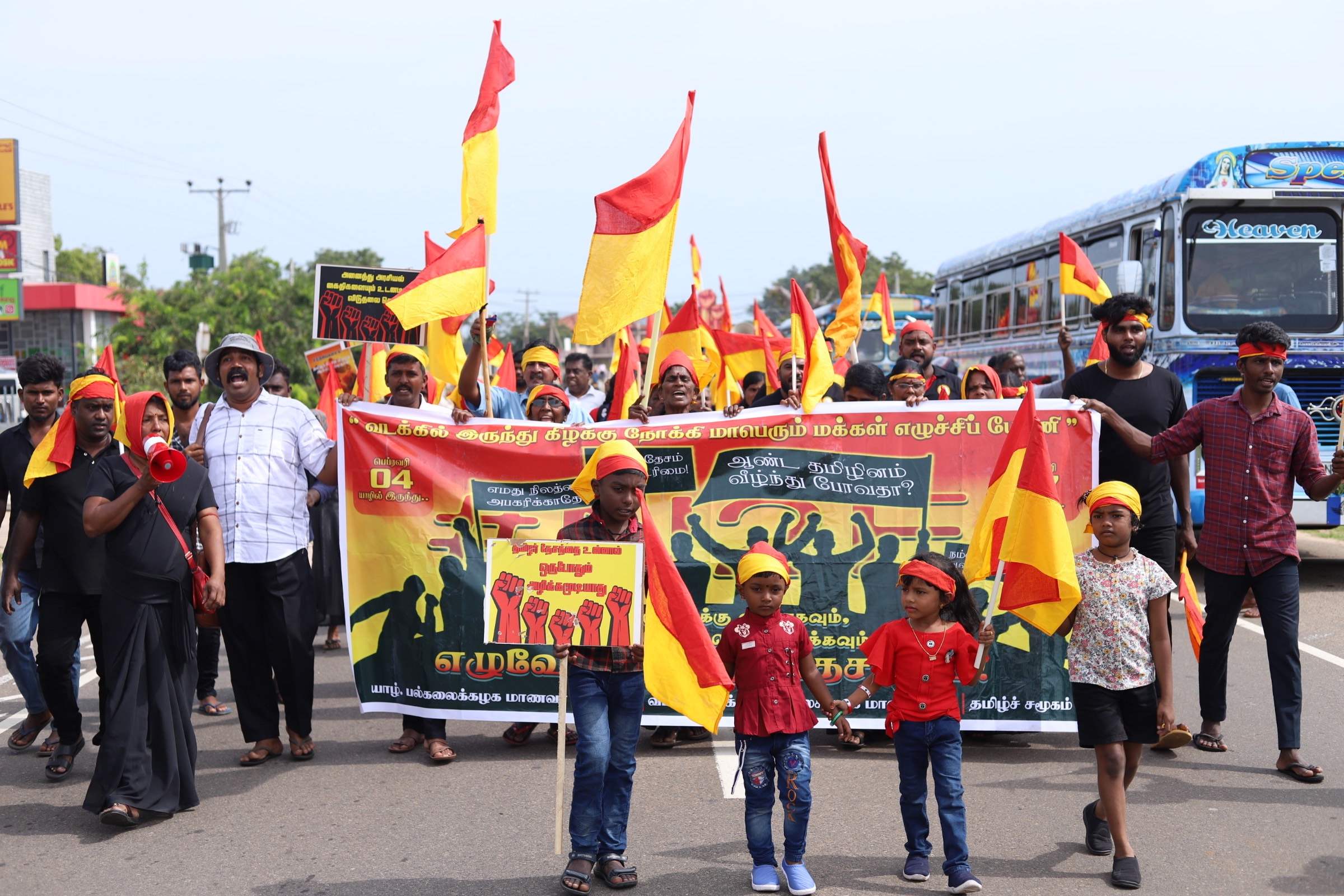
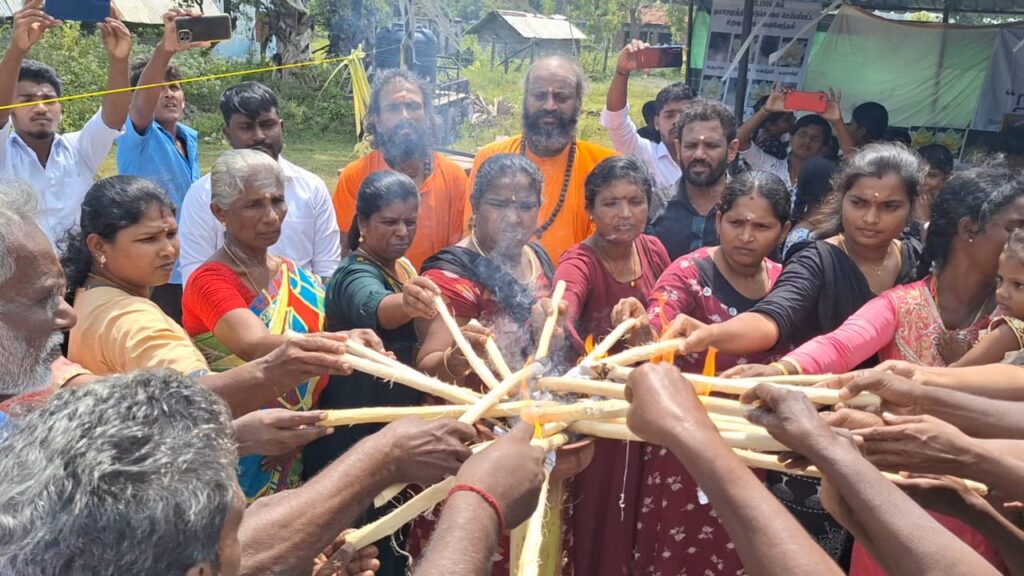
Approximately fifty delegates from the North and East attended the event, including Thenkayilai Adheenam Ahathyar Adigalar, Bishop of the Trincomalee Diocese Rev Dr Noyal Emmanuel, Rev Fr M Luke John from Batticaloa, and Velan Swamigal of the Pottuvil to Polikandi movement. Twenty-one signatories endorsed the Advance Unedited Version of the Declaration.
Exhaustion of Internal Remedies
The Declaration asserts that, as far as the nation of Eelam Tamils is concerned, the internal exercise of self-determination has been repeatedly and conclusively exhausted through multiple constitutional processes, negotiations and reform attempts spanning decades. It states that successive constitutional initiatives — including the Soulbury Constitution, the 1972 and 1978 Constitutions, the Indo–Lanka Accord framework, and later reform proposals — failed to secure equality, parity or meaningful recognition of the Eelam Tamil People as a self-determining People who constitute a nation.
Right to Self-Determination and Referendum
The Core Principles declare that the inalienable right to self-determination of the Eelam Tamil People endures until it is freely realised in accordance with international law. The right to a referendum is articulated not as a deferred or conditional concession, but as a continuing legal entitlement capable of democratic expression through an internationally supervised act of self-determination.
The document calls for a fresh social contract negotiated as a pre-constitutional agreement between the historically constituted Peoples of the island, under international mediation and guarantees. It stresses that any constitution-making exercise undertaken within the existing constitutional order, in the absence of meaningful Tamil participation and freely expressed consent, would lack democratic and legal legitimacy in relation to the Eelam Tamil People.
International Justice and Accountability
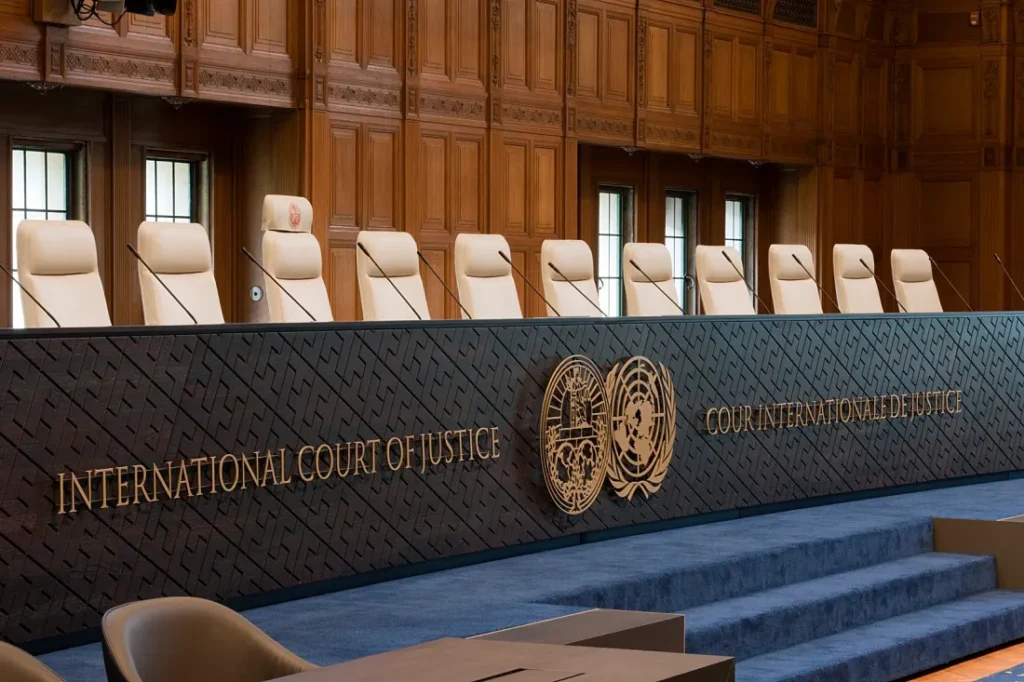
The Declaration also calls for internationally guaranteed accountability, including judicial determination of genocide and other international crimes before the International Court of Justice in relation to State responsibility, and the establishment of an international criminal tribunal or equivalent mechanism capable of exercising jurisdiction over individual criminal responsibility, including for crimes committed prior to 1 July 2002. It affirms that international justice cannot be diluted, deferred or exchanged for a political settlement.
Territorial Integrity and Diaspora Participation
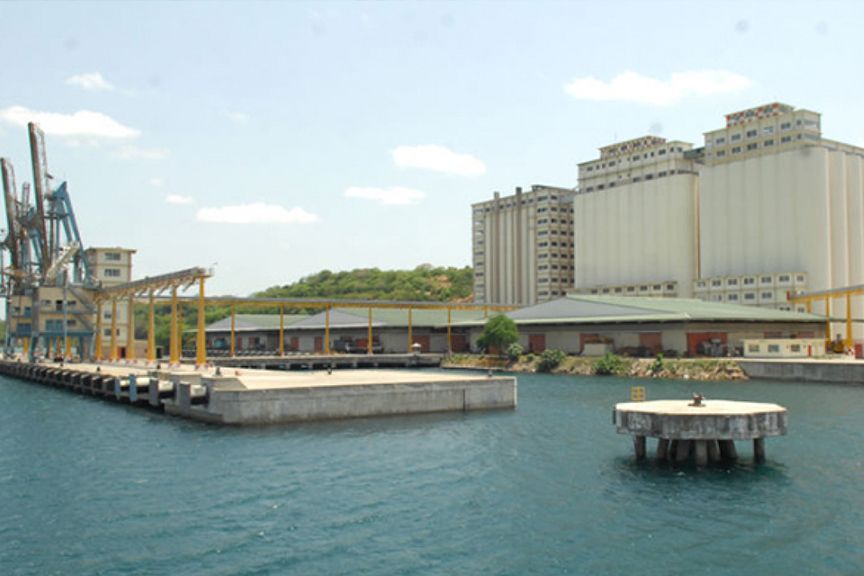
The Core Principles emphasise the territorial integrity of the contiguous northern and eastern homeland of the Eelam Tamil People, including its associated maritime space, and affirm that territorial continuity is inseparable from the exercise of the right to self-determination. The Declaration further underscores that diaspora participation is integral to any internationally guaranteed political process.
An Independent Initiative
Dr Shrignaneswaran stated that the initiative was undertaken independently by Eelam Tamils without foreign state funding or NGO direction, and that it builds upon the August position paper on an international justice roadmap. He clarified that the Tamil translation currently in circulation is a rough working version and should not be treated as authentic.
For reasons of transparency and inclusivity, the English text of the Declaration has been placed in the public domain for comment until 15 March 2026. The full text is available at tamilassembly.org.


0 Comments