
Electoral Defeats and the Ideological Journey: Tamil Nationalism and Seeman's Voice in Tamil Nadu Politics
The political architecture of contemporary Tamil Nadu is profoundly shaped by decades of robust Dravidian struggles and progressive anti-caste discourses. Within this framework, the rise of Naam Tamilar Katchi (NTK), led by its chief coordinator Seeman, advocating a strict paradigm of 'Tamil Nationalism' at the grassroots level, has triggered critical academic and political debates. Following the 2026 general assembly elections and the subsequent by-elections, critics and mainstream commentators have resorted to superficial mockery and reductionist vitriol regarding his consistent electoral defeats. However, reducing an unyielding ideological journey and a distinct subaltern voice purely to short-term electoral statistics reflects a deep analytical vacuum.
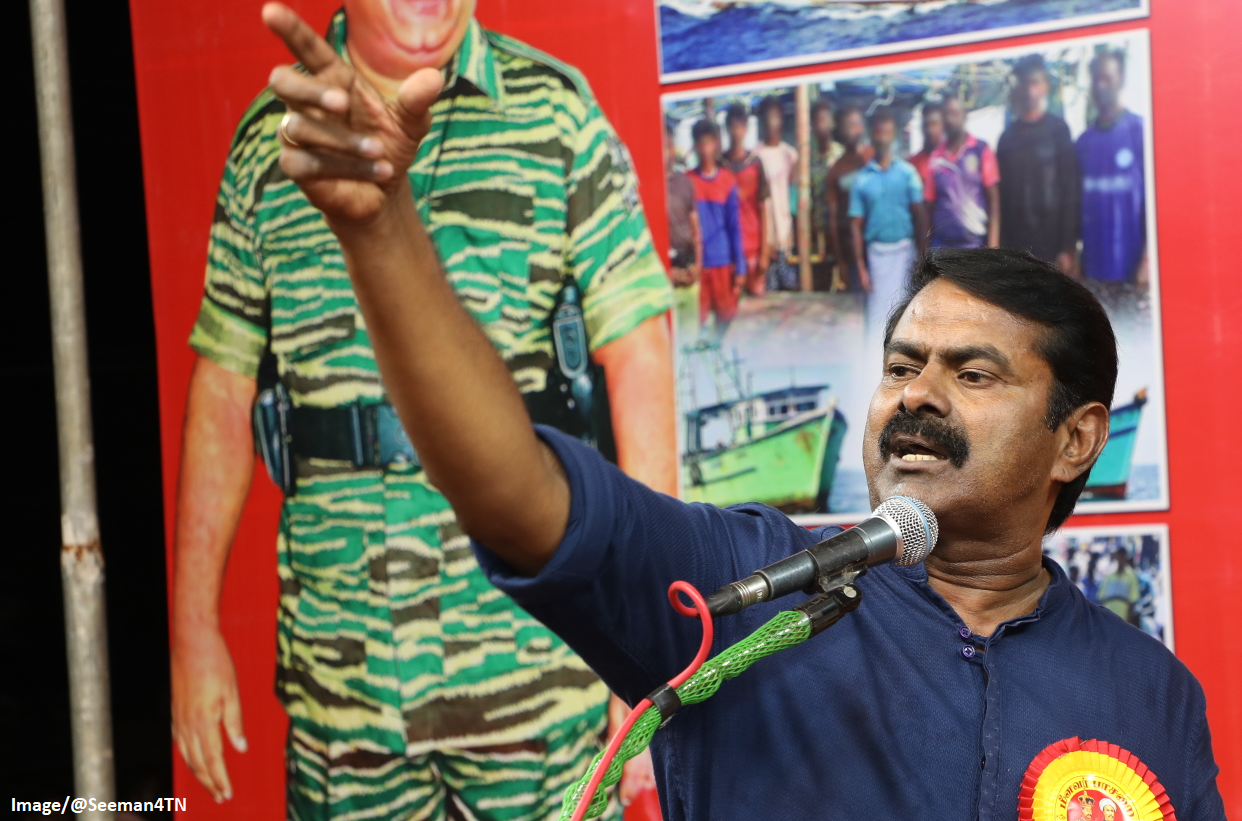 Tamil Nadu politics: Tamil nationalism and Seeman's voice.
The empirical data from the recent electoral cycles indicates that while NTK faced rigorous setbacks and a shrinking vote share, its socio-political material footprint cannot be easily dismissed. Electoral politics in the global South is heavily manipulated by immense resource mobilization, institutional majoritarianism, and tactical political alignments. The emergence of new cinematic populist formations in the 2026 arena fractured the subaltern youth vote bank; nevertheless, Seeman's uncompromising rhetoric on resource governance, ecological preservation, and anti-imperialism remains a stark field reality. While progressive intellectuals must continue to ruthlessly critique his ideological assaults on Periyarism and Dravidian structures, they must also recognize that his absolute elimination from the democratic arena is counterproductive to healthy political discourse.
Those who continuously mock electoral failures completely misunderstand the profound distinction between opportunistic parliamentary survival and a long-term ideological mission. Contesting all 234 assembly segments independently, without opportunistic coalitions, while institutionalizing a mandatory 50% gender representation, is a radical counter-hegemonic model that challenges established majoritarian frameworks. When modern mainstream politics has shrunk into a mere vacuum of capturing state power at all costs, articulating regional sovereignty and native identity without compromise functions as a critical check on centralized authority. The reductionist focus on his defeats willfully ignores the genuine moral outrage of the working-class youth rallying behind the flag of Tamil nationalism.
Ideological criticism must aim to refine political alternatives rather than systemically delegitimizing the voice of a distinct subaltern movement. Defending the structural achievements of social justice anchored by the Dravidian movement does not necessitate the complete erasure of an indigenous ecological consciousness championed by Seeman. His voice acts as a vital structural alternative within the contemporary political spectrum. Consequently, dismantling the cacophony of mainstream detraction and analytically validating an ideological journey that transcends parliamentary numbers remains the primary historical duty of progressive theoretical media like the Ezhugai Theoretical Forum.


0 Comments